My 30 day 35mm Black and White shooting spree -
Shooting with a single 35mm lens in black and white for 30+ days changes the way you see, compose, and edit. Here’s an account of that experiment—what I learned and how I shot.
Why the 35mm and why black & white
- 35mm is versatile: wide enough for environmental portraits and street scenes, tight enough for intimate details. It forces you closer to subjects, which builds connection and intent.
- Black & white strips distractions, emphasizing tone, texture, contrast, shape, and emotion. Combined with a fixed focal length, it simplifies choices and sharpens visual decision-making.
Preparation and rules I set
- Gear: one camera body, one 35mm prime (no zooms), one spare battery, one memory card (rotated), simple bag.
- Shoot only in black & white (either in-camera preview or by visualizing in monochrome). I shot RAW and converted in post.
- No changing lenses. No zooming.
- Minimum one battery a day: aim for consistent practice rather than perfection.
Shooting approach and mindset
- Slow down: With a single lens, you look longer for the right frame instead of trying many focal lengths. That patience improves composition.
- Work the scene: Walk, reposition, wait for light or expression. The 35mm invites engagement—don’t settle for a snapshot.
- Think in tones: In B&W, colors become midtones, highlights, or shadows. Seek contrast—bright rim light, deep shadows, or textured midtones.
- Embrace constraints: Limits encourage creativity. If you can’t get back, move forward; if you can’t include background, crop tighter.
Technical choices (typical settings I used)
- Aperture: f/2.8–f/8. Wide apertures for subject isolation and low light; f/5.6–f/8 for street and group scenes for more depth of field.
- Shutter speed: keep at least 1/125s for handheld portraits, faster for action. Use slower speeds intentionally for motion blur.
- ISO: balance noise and mood. I pushed ISO for grainy character (analog feel) and kept it moderate when I wanted smooth tonality.
- Metering: spot or center-weighted when faces or highlights matter; matrix/evaluative for general scenes.
- Focus: zone focusing can speed street shooting. For portraits, single-point AF on the eye.
Compositional strategies that worked
- Foreground + background contrast: use strong background shapes to silhouette subjects.
- Lines and frames: doorways, windows, railings help structure the image in monochrome.
- Negative space: a 35mm gives context; use emptiness to isolate and dramatize subjects.
- Human moments: candid expressions and gestures read strongly at 35mm—get close but respectful.
Golden hour: portraits, street scenes, backlit edges. B&W at golden hour becomes about contrast, not warmth.
- Review: the short review after each session taught me faster—what focal distances I used most, recurring framing mistakes, and tonal preferences.
Post-processing workflow
- Convert RAW to B&W using luminosity masks or channel mixers to control how colors map to gray.
- Adjust contrast with curves, not just sliders—this preserves midtones and refines punch.
- Add grain selectively for character; avoid uniform noise reduction that kills texture.
- Crop thoughtfully: a single focal length often yields frames that benefit from modest cropping for balance.
- Create presets but tweak per image—consistent look helps the series feel cohesive.
What changed in my vision
- I noticed a stronger focus on relationships: subject to background, light to shadow, gesture to environment.
- I started predicting frames—seeing the 35mm composition in advance rather than reacting.
- I became less dependent on gear and more on timing, proximity, and tonal control.
Challenges and how to overcome them
- Too-close distortion: for portraits, step back and crop or tilt the head to avoid exaggerated noses.
- Repetitiveness: vary subject matter, shoot different times of day, change vantage points.
- Flat light days: seek textures, reflections, or switch to high-contrast scenes (silhouettes, window light).
30-day project outcomes
- Improved consistency: my keeper rate rose because I learned to pre-visualize frames.
- A cohesive body of work: the single lens + B&W aesthetic made the series feel unified.
- Sharper storytelling: limitations honed narrative choices—each shot had to justify itself.
Practical tips if you try it
- Carry a small notebook or use notes on your phone to jot down one lesson per day.
- Set micro-goals: a portrait a day, a texture a day, a story sequence every five days.
- Share weekly edits with peers for feedback—outside eyes notice recurring strengths and weaknesses.
- Print a few favorites mid-project; prints reveal tonal issues you may miss on screen.
Final thought
Shooting 35mm in black and white for 30 days is less about the lens and more about discipline. The constraint trains your eye to prioritize form, light, and proximity. If you want to see real improvement in composition and visual storytelling, try it—your work will gain clarity and purpose.
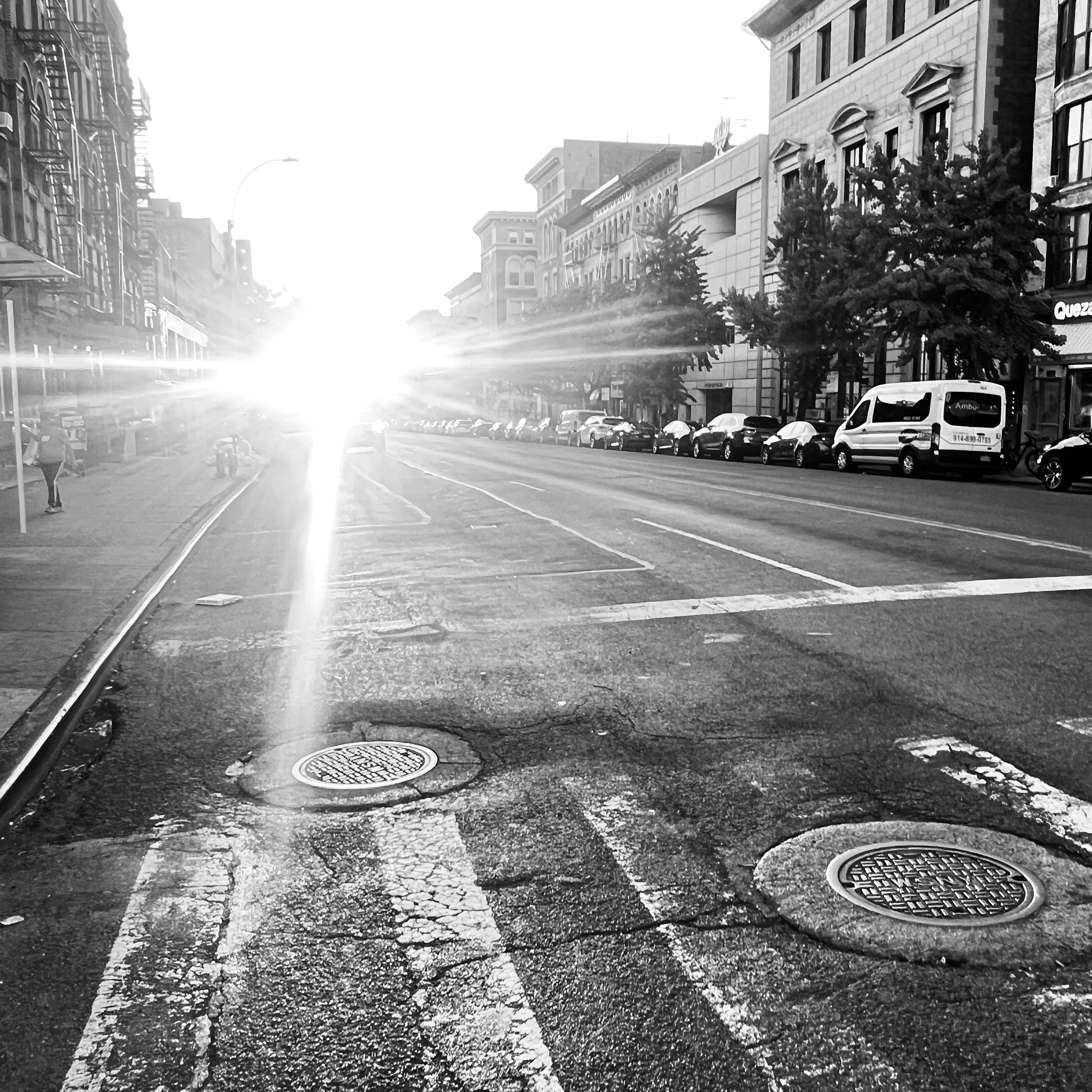
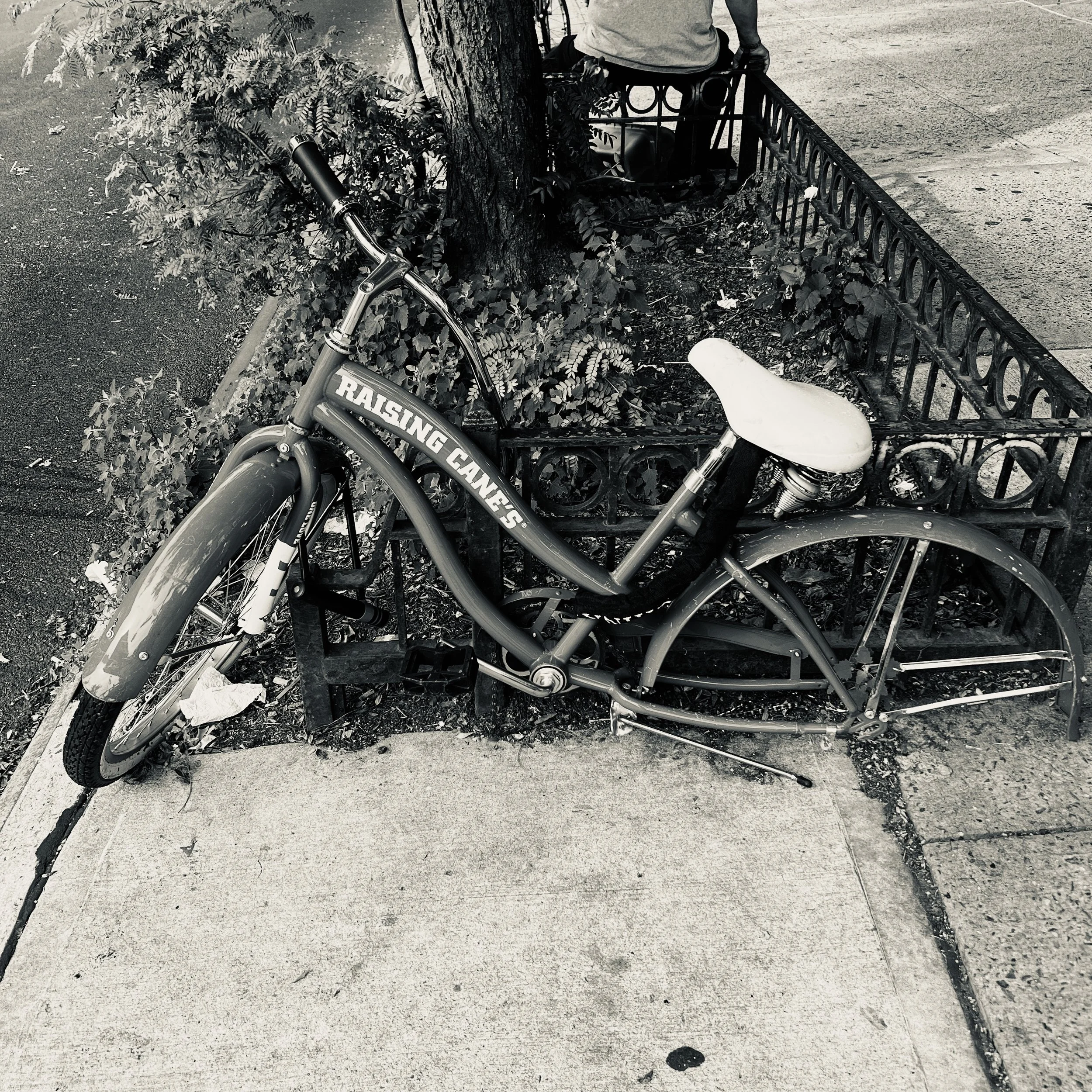
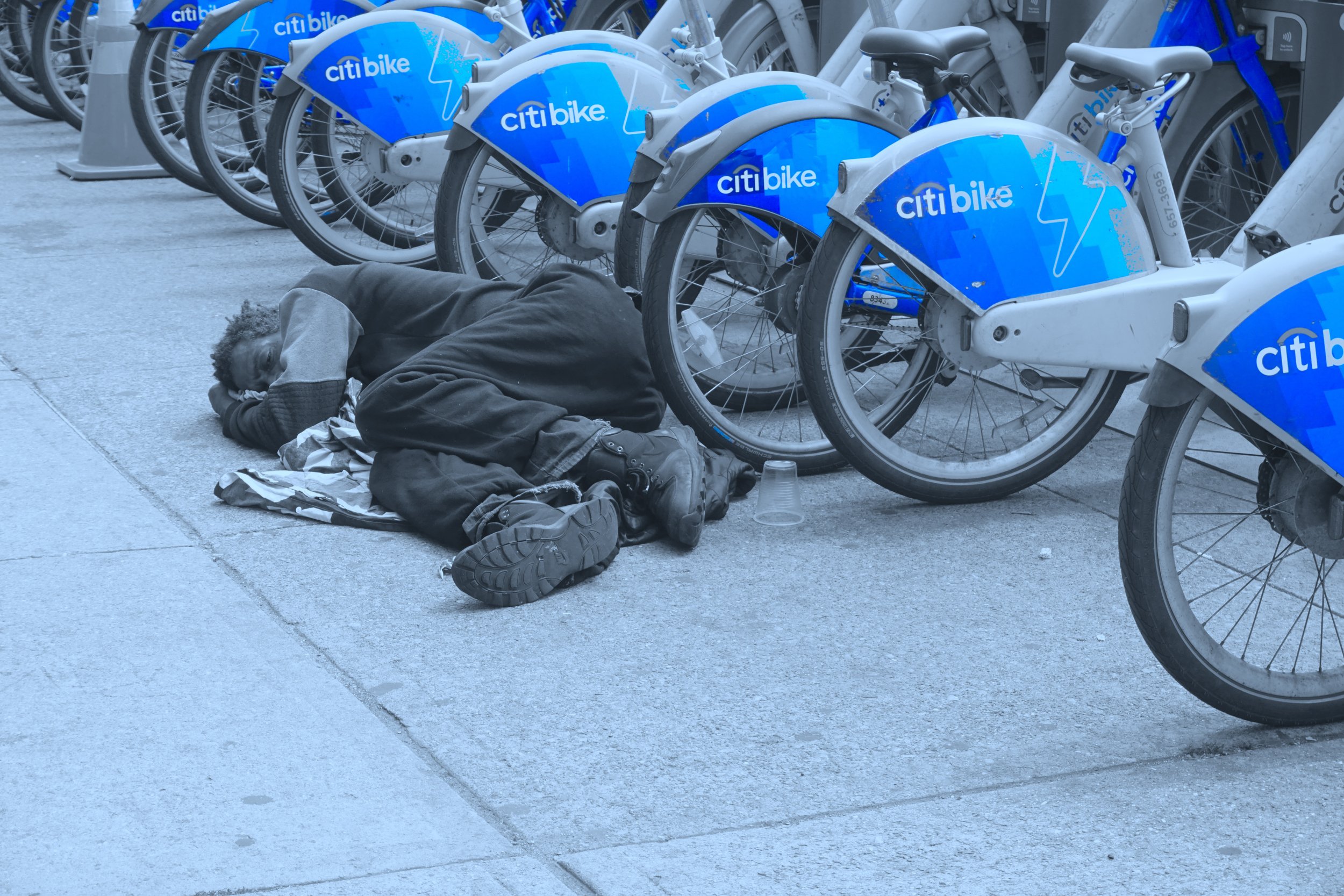
Here’s a few of my favorite shots. The last shot I added blue to the photo to see how it would look and I have to say I’m pleased with the result.