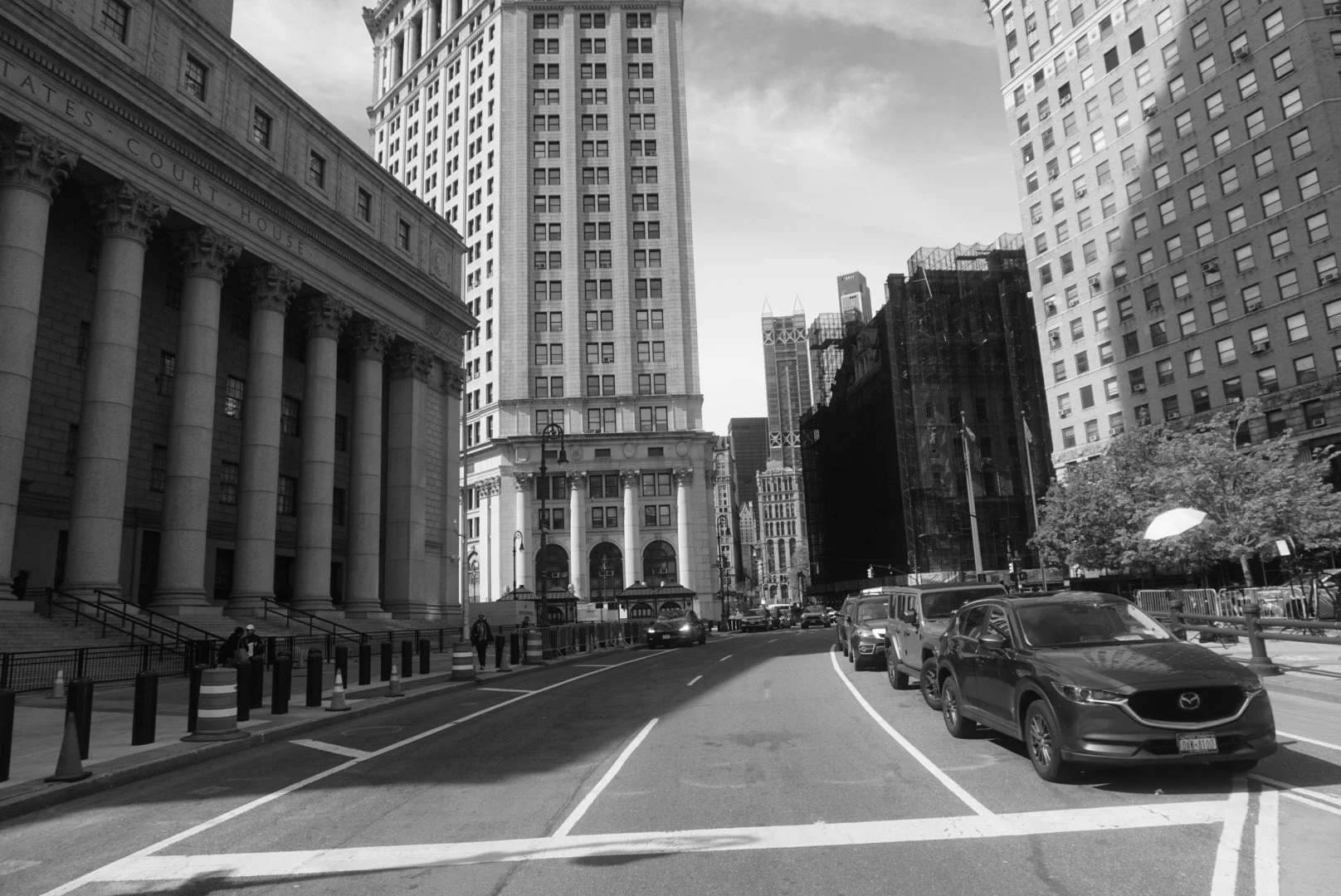
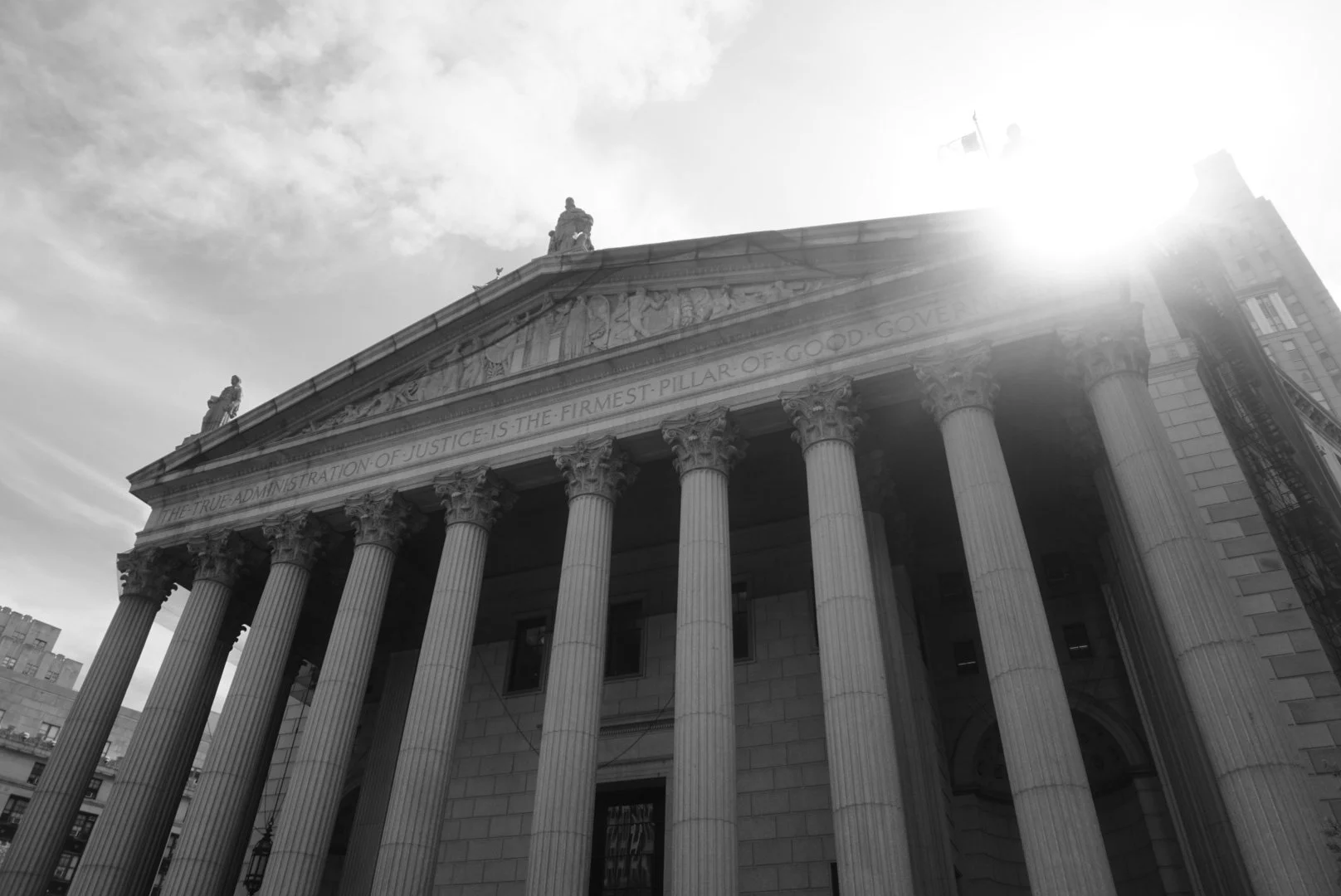
Why I Shoot in Black & White —
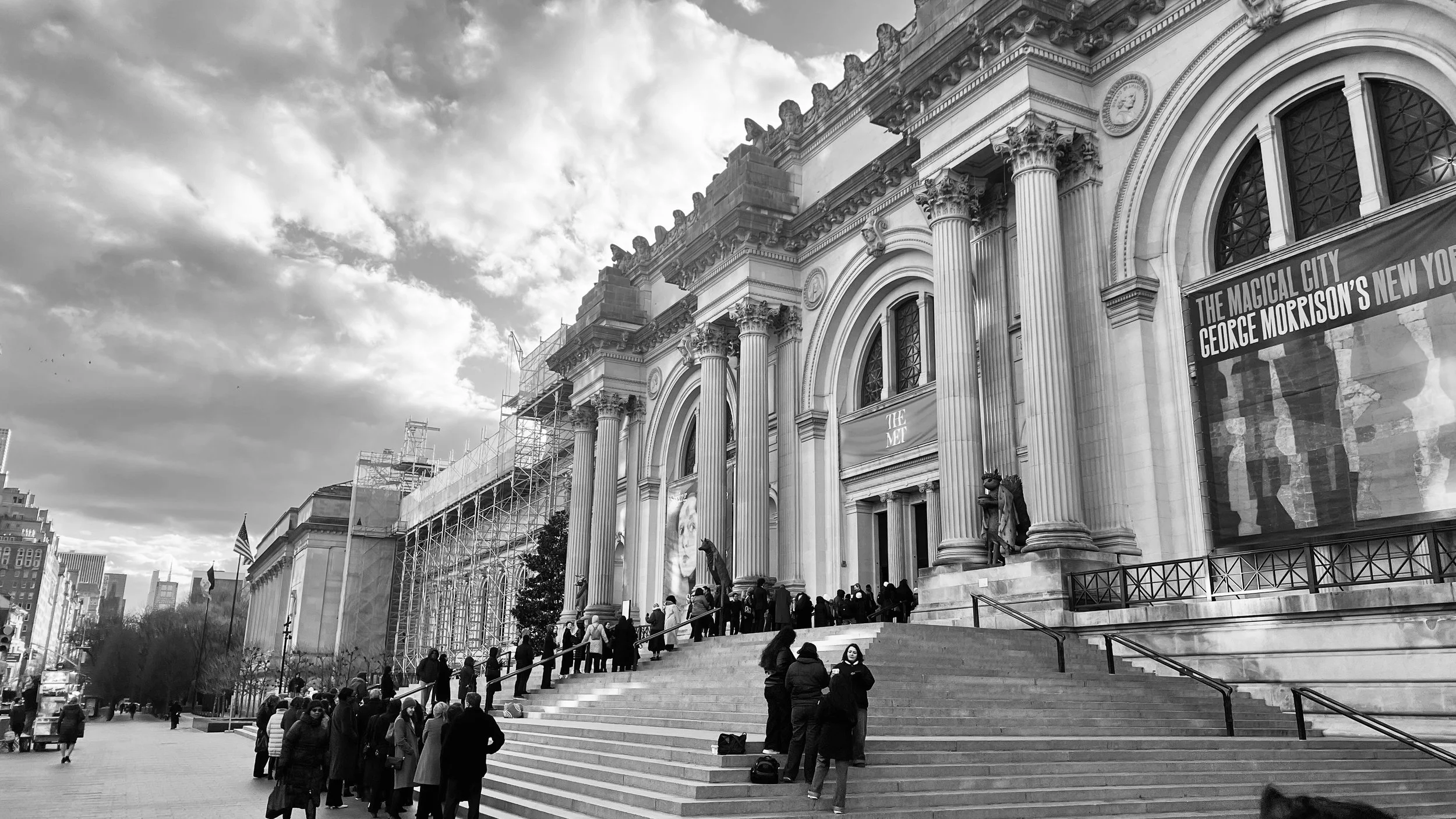
Photography is light, shadow, texture and emotion. While converting color images to black & white in post is common, intentionally shooting in black & white (or with a monochrome mindset) produces stronger, more honest results.
1. Purpose over habit
- Shooting with a monochrome intent shifts your creative choices: you think in tones, contrast, lines and forms rather than hues. That intention changes what you include, how you light, and how you compose.
- Images made for B&W often communicate mood and narrative more directly; they strip distractions and emphasize emotion.
2. Exposure and highlight control
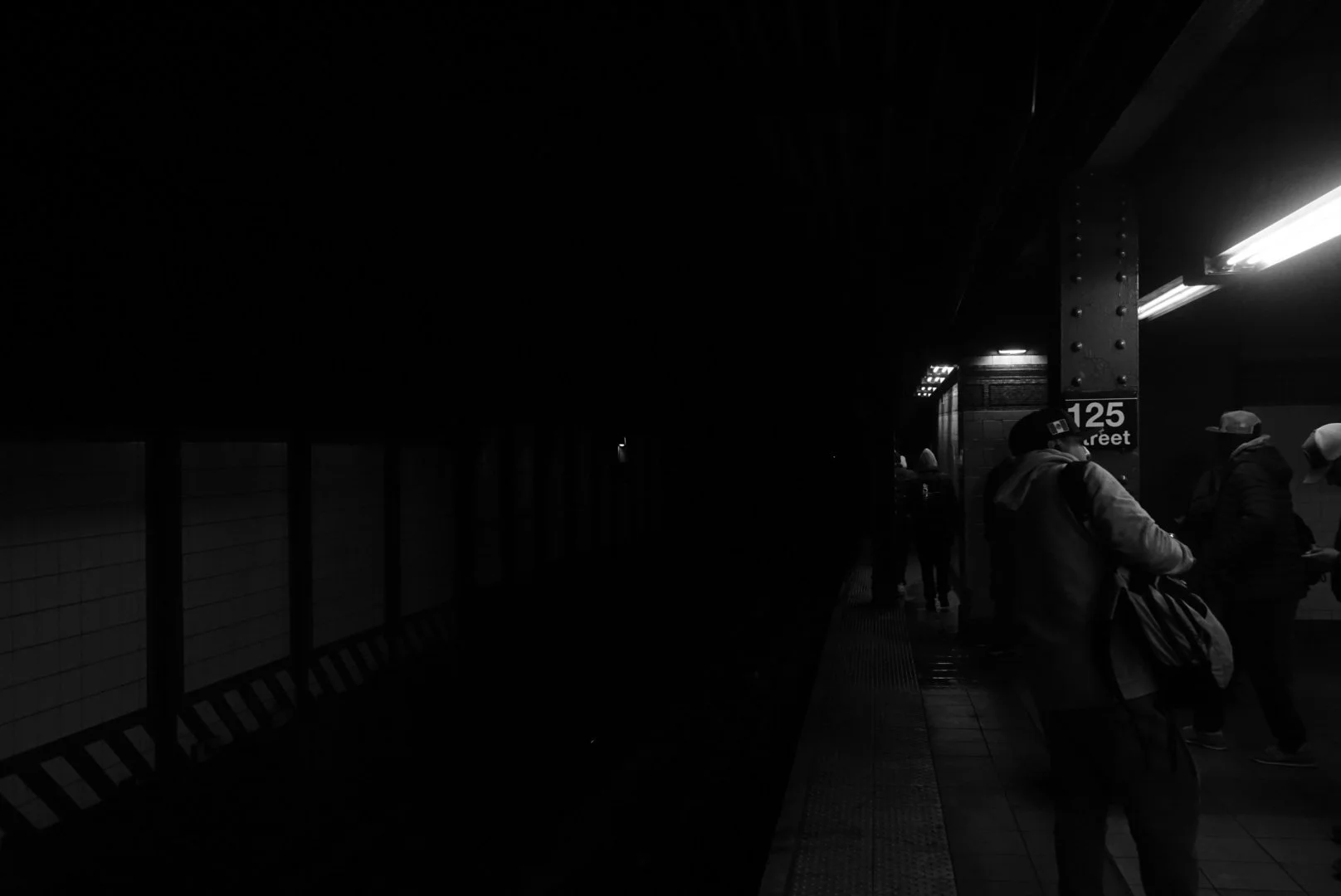
- When you shoot for B&W, you prioritize tonality. You expose to retain midtones and highlights in a way that preserves detail and contrast — different from the priorities you might have when preserving color saturation.
- Use your camera’s histogram and highlight-alert to avoid blown highlights that become large white blobs in B&W.
Title: Why I Shoot in Black and White — Not Convert from Color
I prefer to shoot in black and white. For me it’s not a second step after shooting color and applying filters — it’s a deliberate choice made at the moment of capture. That decision affects how I see a scene, how I expose, and how I compose.
Why choose black and white in-camera?
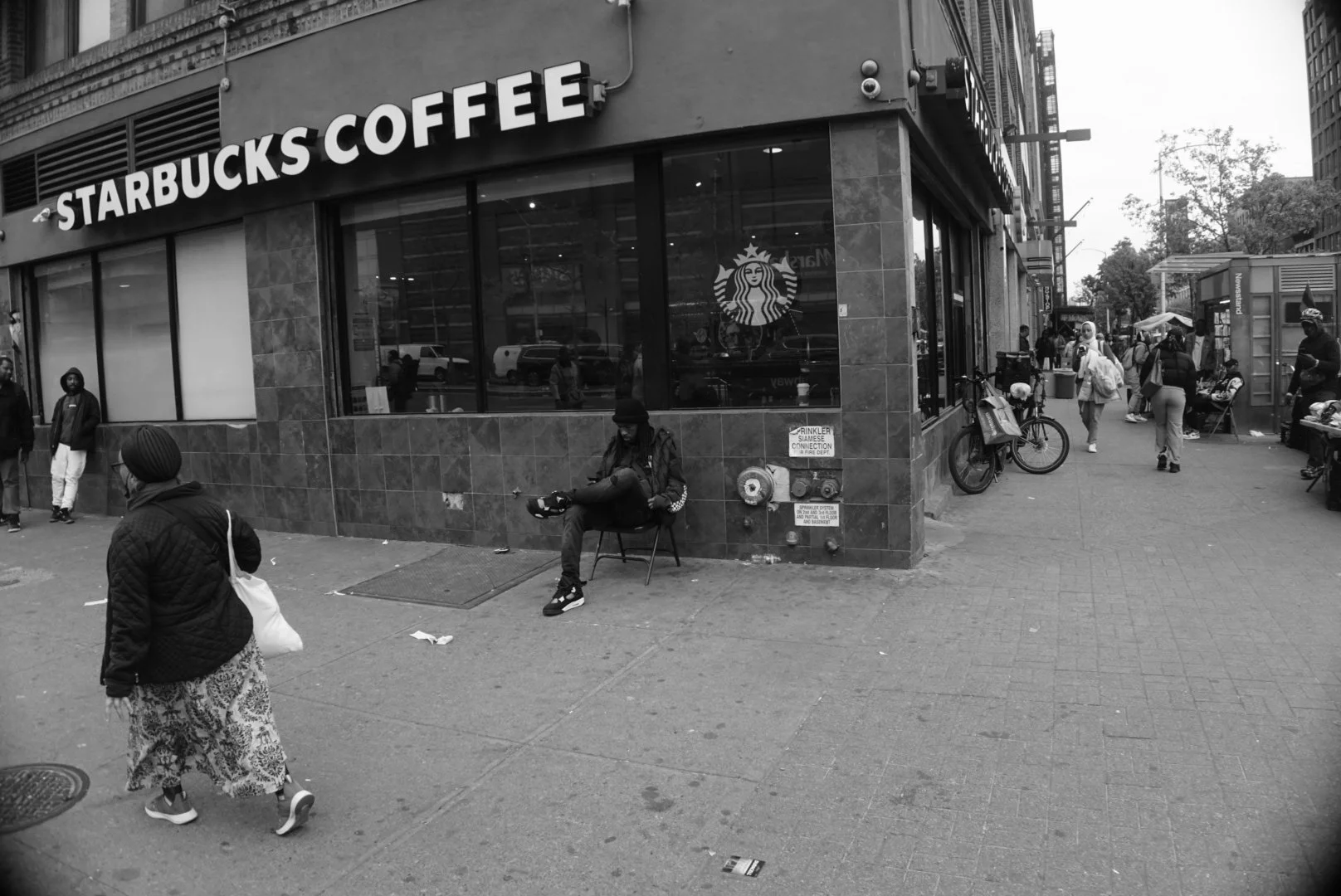
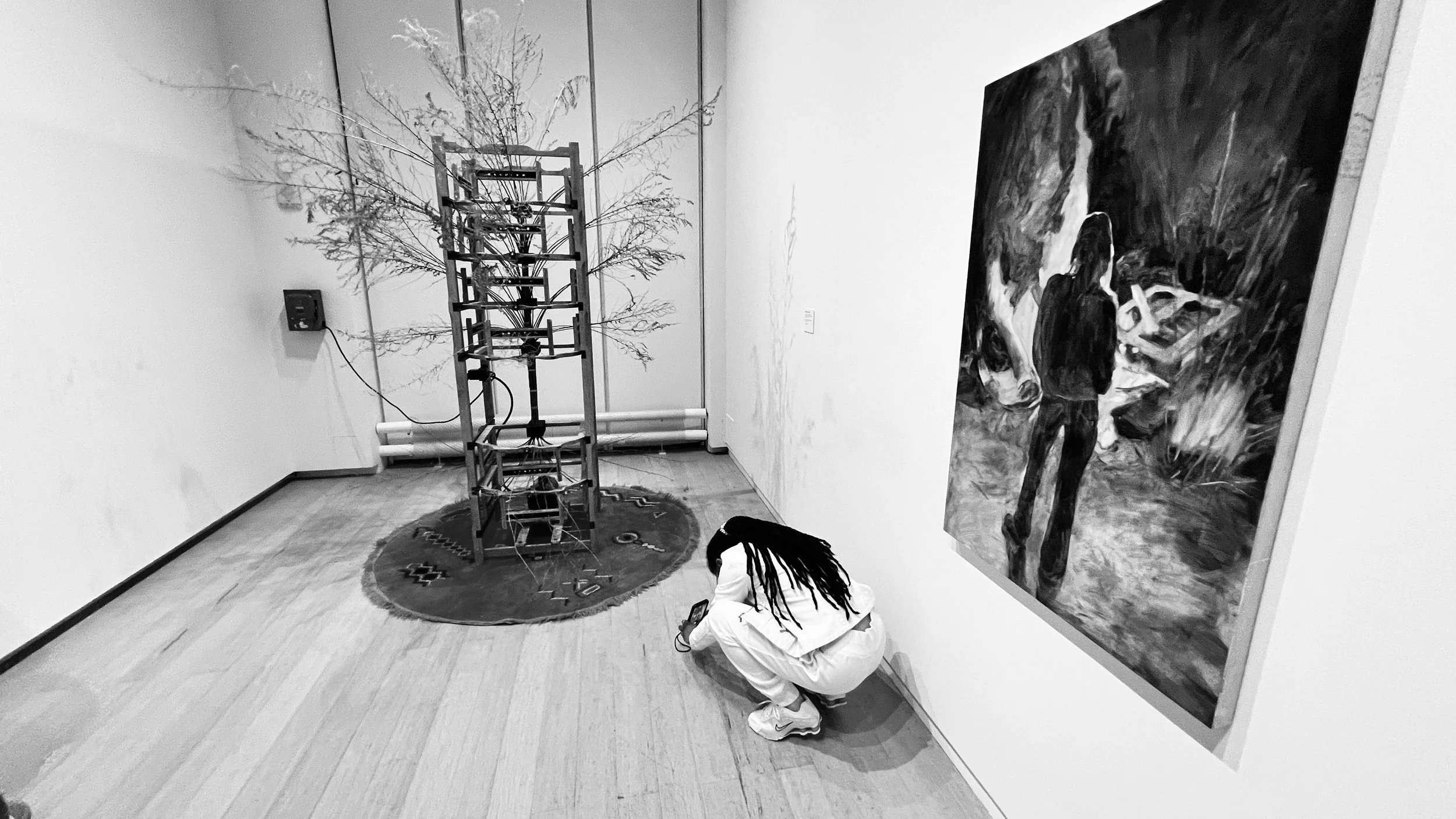
It simplifies vision. Removing color lets me focus on shapes, lines, patterns, and contrast. I look for strong silhouettes, repeating textures, and graphic compositions.
It changes exposure decisions. With color out of the picture, I expose for tonal relationships — where highlights and shadows fall — rather than for hue or saturation.
It highlights light and mood. Black-and-white images emphasize light direction, softness, and contrast. A single shaft of light or a deep shadow becomes the story.
For me it reduces postwork. When you make the choice while shooting, you can get most of the image right in-camera and spend less time trying to “fix” color images later.
Practical tips I use…
Preview in monochrome: Many cameras offer a B&W preview. I use it to judge composition and contrast on the spot.
Embrace contrast and texture: High-contrast light and textured subjects (old wood, brick, fabric, skin) often read beautifully in black and white.
Shooting black and white as a conscious choice gives me a clearer creative direction from the first frame. Converting color images later can be useful, but for the images I care most about, choosing monochrome at capture helps me see differently and make stronger photographs.