Photo Art: More Than a Click
Taking a picture is often reduced to a single mechanical act — press the shutter — but real photo art lives in everything that leads up to and follows that click. A photograph is a decision-making process: choices about composition, light, tone, and intent that together translate a moment into meaning.
Intent first
Ask yourself before you raise the camera: what do I want this viewer to feel or understand? Intent is the compass that guides every technical choice. Are you aiming for quiet introspection, raw documentary truth, or heightened drama? That answer determines framing, exposure, and how much you include or exclude. A strong intent turns a technically correct image into a resonant piece of photo art.
Composition as language
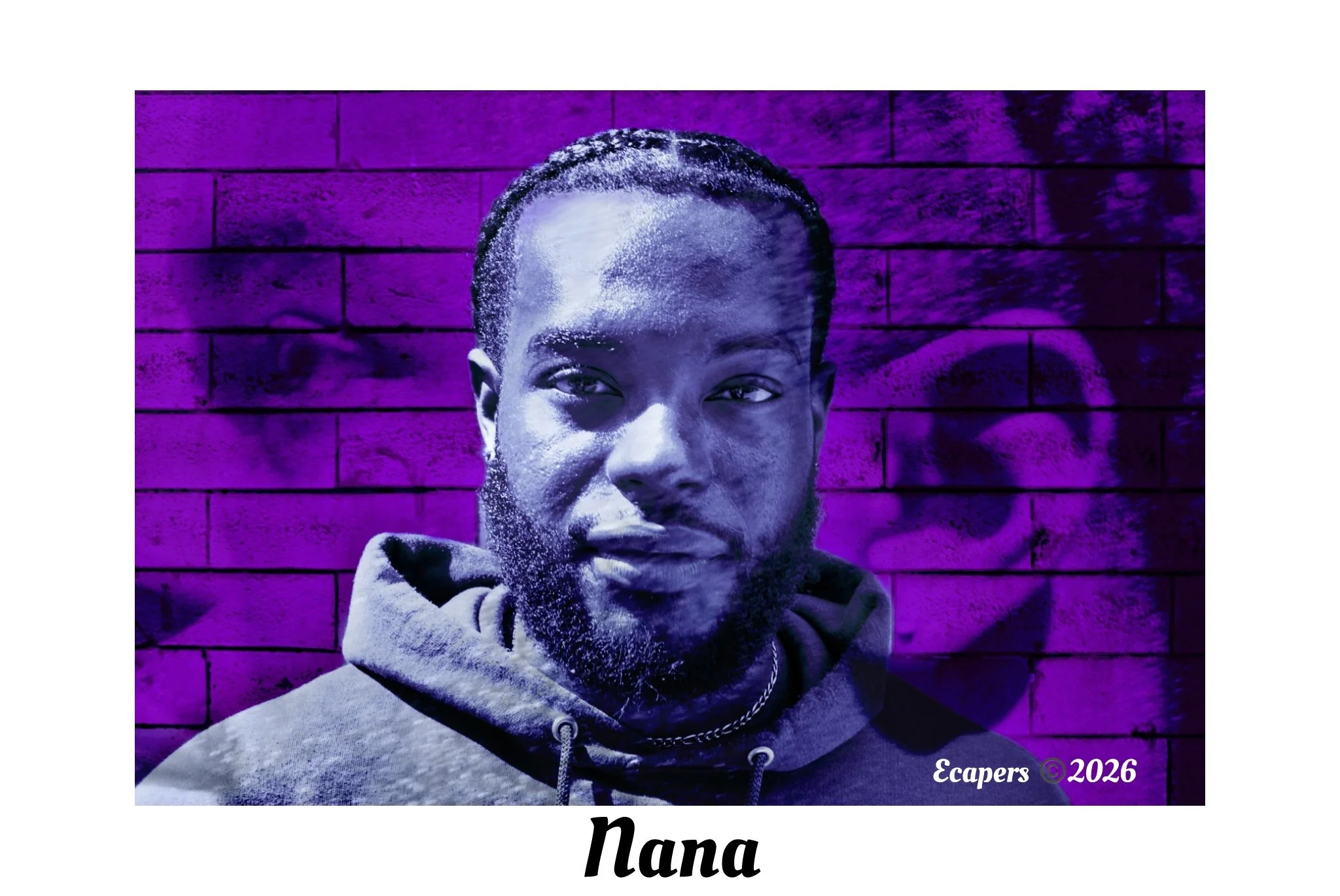
Composition is not decoration — it’s the language you use to speak with the viewer. Lines lead the eye; negative space breathes; scale and relation create narrative. Identify the essential elements in the scene (the ones that matter to you) and arrange them so their relationships convey your idea. Keep the frame honest to your intent: remove distractions, emphasize a subject with contrast or depth, and balance rhythm and silence. Sometimes symmetry communicates calm; other times, an off-center subject creates tension. Learn the rules (rule of thirds, leading lines, golden ratio) — then break them deliberately.
The important parts — your attest
Decide which parts of the scene are non-negotiable for you, then honor them visually. Maybe it’s a face with a particular expression, a gesture, a textured surface, or the interplay of light on an object. These “attest” parts should receive the most compositional weight, tonal contrast, or focus authority. When everything competes for attention, nothing reads. Prioritize.
Photo art is different
Photo art is different because I can’t just make up something out of the blue. I have to look at what’s in front of me and create from what I have there. I can’t pick up a brush and add a blue or red; I have to work with what’s in my viewfinder. Lights and shadows are my palette, especially when shooting in black and white. That constraint is also a creative engine: it forces you to see nuances, to translate reality into mood and meaning through what’s already available.
Black & white as a discipline
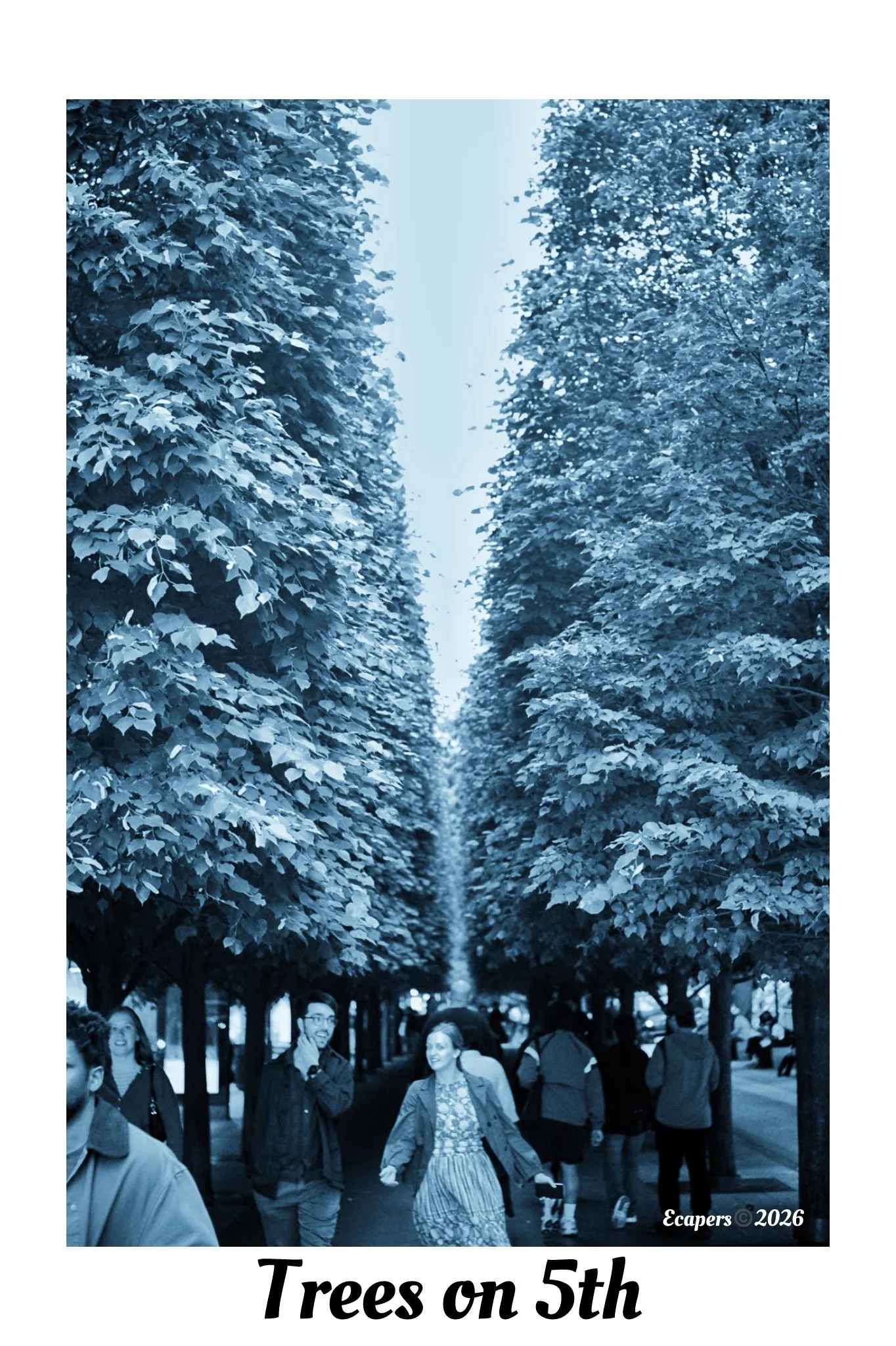
Shooting primarily in black and white sharpens visual thinking. Stripped of color, a scene becomes a study of form, texture, light, and shadow. Contrast becomes storytelling: subtle greys can whisper, hard blacks can shout. Black & white forces you to see structure and emotion distilled into tones — a powerful discipline for any photographer who wants to craft images with clarity and depth.
Cinematic color — Capevision
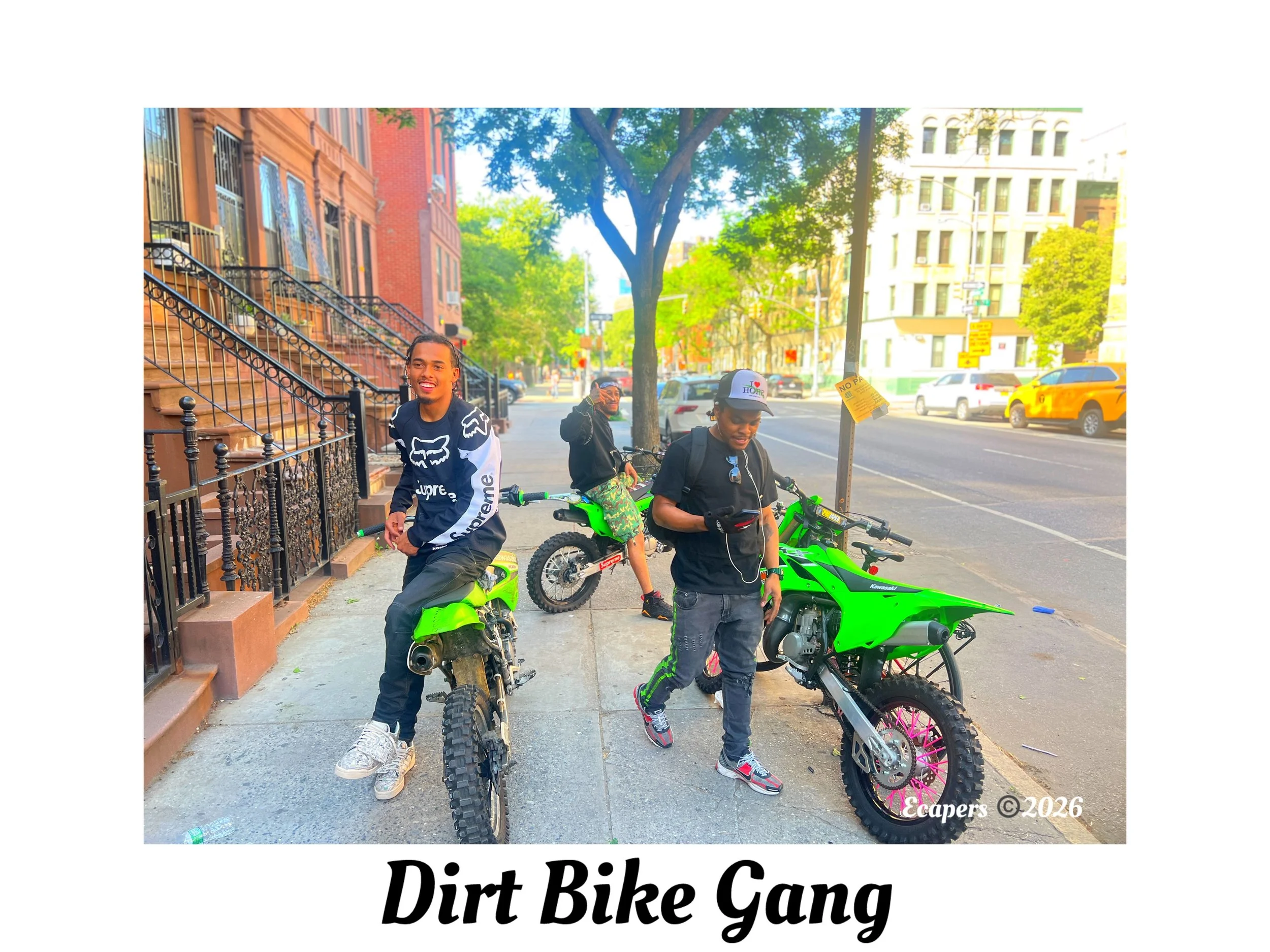
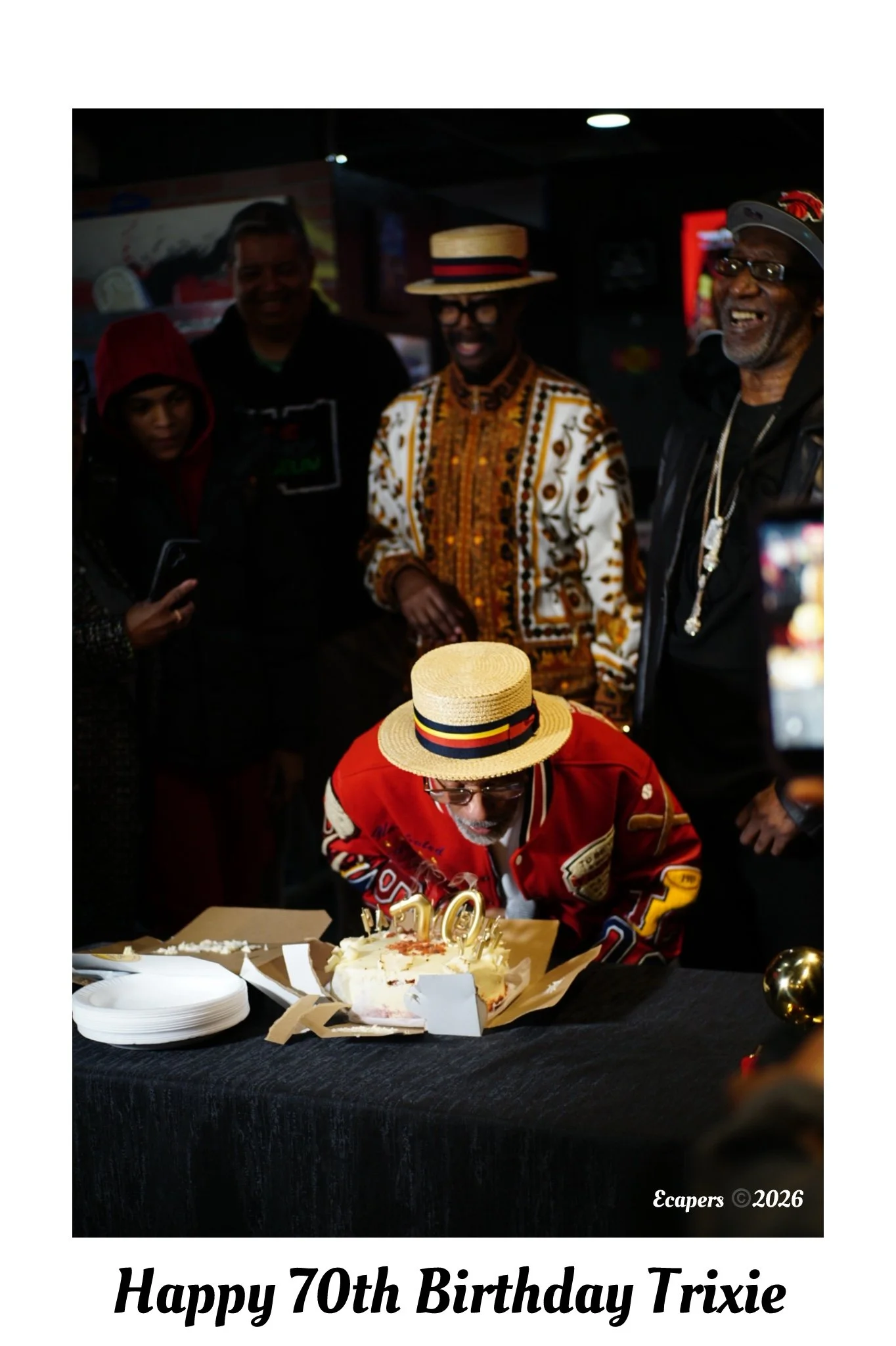
I also embrace a cinematic approach I call “Capevision”: dramatic warm lighting, creamy bokeh, and anamorphic flairs. Where black & white reduces, Capevision heightens — it invites the viewer into a filmic moment. Use warm directional light to sculpt faces and surfaces, shallow apertures for that buttery background separation, and controlled lens flare to add atmosphere without overwhelming the subject. The result reads like a frame from an imagined story — intimate, heightened, and cinematic.
EDC and gear mood
My EDC (everyday carry) changes from day to day — Monday mirrorless, Tuesday DSLR, Wednesday and Thursday point-and-shoots (Samsung and Olympus), Friday back to DSLR, and the weekend action cams (GoPros), oh and I forgot the Drone. I have no favorite; it all depends on my mood and what I want to create that day. Sometimes I go a while without picking up any of those cameras and shoot strictly on my phone. The camera is a tool, not the heart of the image — your eye and intent are.
Technique serves expression
Technical choices (lens, aperture, shutter speed, ISO, processing) are tools, not goals. Pick the ones that best translate your intent. Want isolation and mood? Open aperture, longer focal length, and selective focus. Want grit and detail? Stop down, emphasize texture, and push contrast. In post, treat editing as sculpting light and tone: dodge and burn to emphasize, desaturate or color-grade to set mood, but never let retouching erase the truth of what you witnessed.
Photo art vs. painting/drawing
Photo art differs from painting or drawing because it begins with reality as collaborator: light, time, and the unpredictability of life contribute to the image. Unlike painting, you don’t invent everything from a blank page — you interpret, select, and transform what’s there. That collaboration with the world gives photography a unique immediacy and authenticity, even as you shape it through composition and processing. The creative act is about choosing what to reveal and what to withhold.
Final thought and question
A photograph is a condensed conversation between you and the viewer. Every choice — from the frame to the finish — is part of the conversation. Whether you strip a scene to black and white or warm it into Capevision cinema, the goal is the same: to make an image that speaks with clarity, intention, and feeling.
My question for you this week is: what do you prefer to shoot with, and what style do you go for?